
Blog Article
Feeling Disconnected From Your Body? Reclaiming Inner Harmony
Why so many people feel out of sync with their own bodies, how the Hot-Cold/Wet-Dry framework restores a vocabulary for reading your own signals, and the role of food, herbs, and daily rituals.
Feeling Disconnected From Your Body? Reclaiming Inner Harmony
Many people today describe a quiet sense of being out of sync with their own body. This article is part of our guide to Breakthrough Your Wellness Blocks, and it addresses that disconnection directly.
The Machine Metaphor and Its Costs
We are often taught to treat the body as a machine that needs fixing rather than a system that needs understanding. That framing has real consequences: subtle signals get ignored until they become loud, symptoms get answered with external remedies, and the relationship becomes adversarial.
The internal discord shows up as persistent fatigue, digestive discomfort, mood variability, or unexplained unease — and it feeds the broader difficulty maintaining wellness, because a plan is hard to follow when you cannot tell whether it is working.
Part of what has been lost here is vocabulary. If you have no language for describing how your system tends to behave, you cannot notice a change in it, and you certainly cannot act on that change deliberately.
Understanding Your Hot-Cold/Wet-Dry Balance
Mizaj offers exactly that vocabulary. Central to Avicenna's Canon of Medicine, it describes your constitutional balance in terms of Hot-Cold and Wet-Dry qualities. Someone with a predominantly Hot-Dry (Choleric) tendency may notice more inflammation, irritability, or dryness; a Cold-Wet (Phlegmatic) constitution may notice sluggishness or heaviness.
Read correctly, this is not a set of labels but a set of descriptions you can check yourself against. That is what makes it useful for reconnection: it turns vague discomfort into something nameable, and nameable things can be responded to.
The Role of Food, Herbs, and Rituals
With your constitution identified, guidance becomes concrete rather than abstract:
- Tailored meals — recommendations that harmonise with your Mizaj and the current season, counterweighting an excess rather than amplifying it.
- Specific herbs — traditionally used to support your particular temperament.
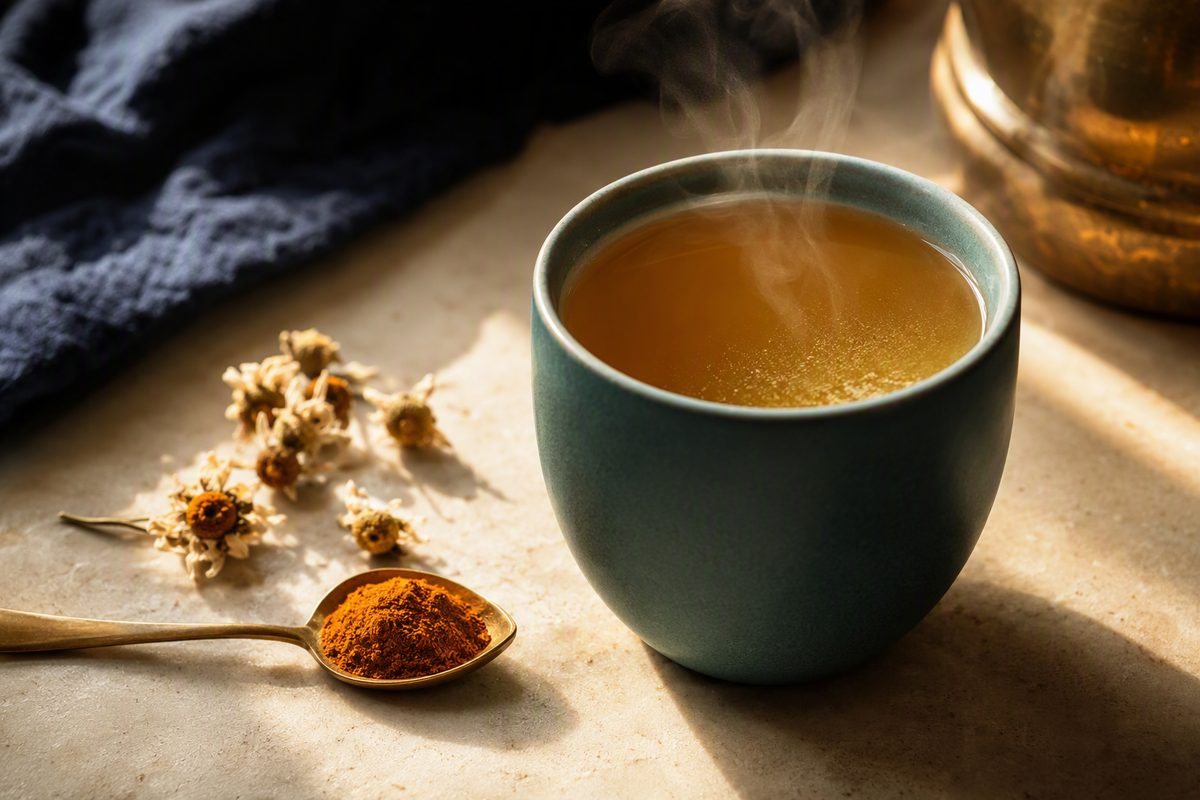
- Mindful rituals — daily practices to support emotional steadiness and stress reduction, from breathing exercises to gentle movement.
The logic linking these is counterbalance: heat met with cooling, dryness with moistening, sluggishness with stimulation. That coherence is what distinguishes the framework from an arbitrary list of food rules.
Participation, Not Prescription
The deeper aim is not compliance with a plan but the recovery of your own judgement. As you work with constitutional guidance, you start to notice which conditions leave you settled and which leave you depleted — and you begin making those adjustments without being told.
Avicenna's framework treated mental state as genuinely bound up with physical health rather than adjacent to it, which is why rituals sit alongside food here rather than as an afterthought.
For the practical applications of this approach, explore Transform Your Health: Real-World Applications of Hakeem.Health.
Where to Go Next
- Struggling With Consistency? — turning awareness into a sustainable routine.
- The Four Temperaments — the four constitutions in detail.
Take the free Mizaj quiz to put a name to your own tendencies.
Hakeem.Health provides personalized wellness plans based on ancestral principles and is not intended to diagnose, treat, or cure any disease. Please consult a qualified healthcare provider before starting any new wellness program, particularly if you have a pre-existing condition.
Remedies Mentioned in This Article
Hand-picked Persian herbal formulas from our apothecary that support the practices described above.
 Body Care
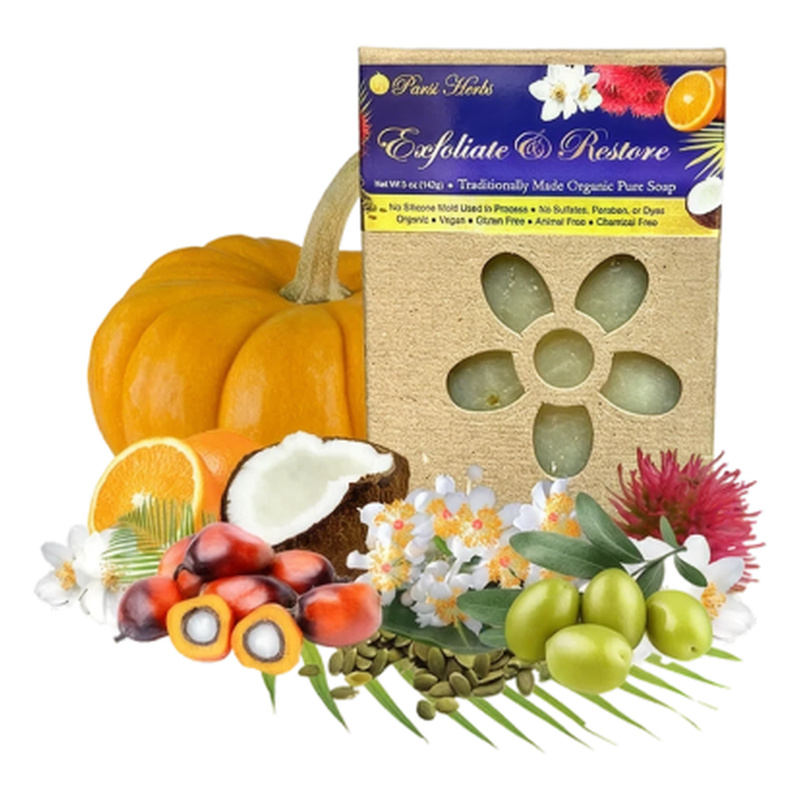
Exfoliate and Restore Soap
Gently exfoliating herbal bar that lifts dull surface skin and restores softness and tone.
 Body Care
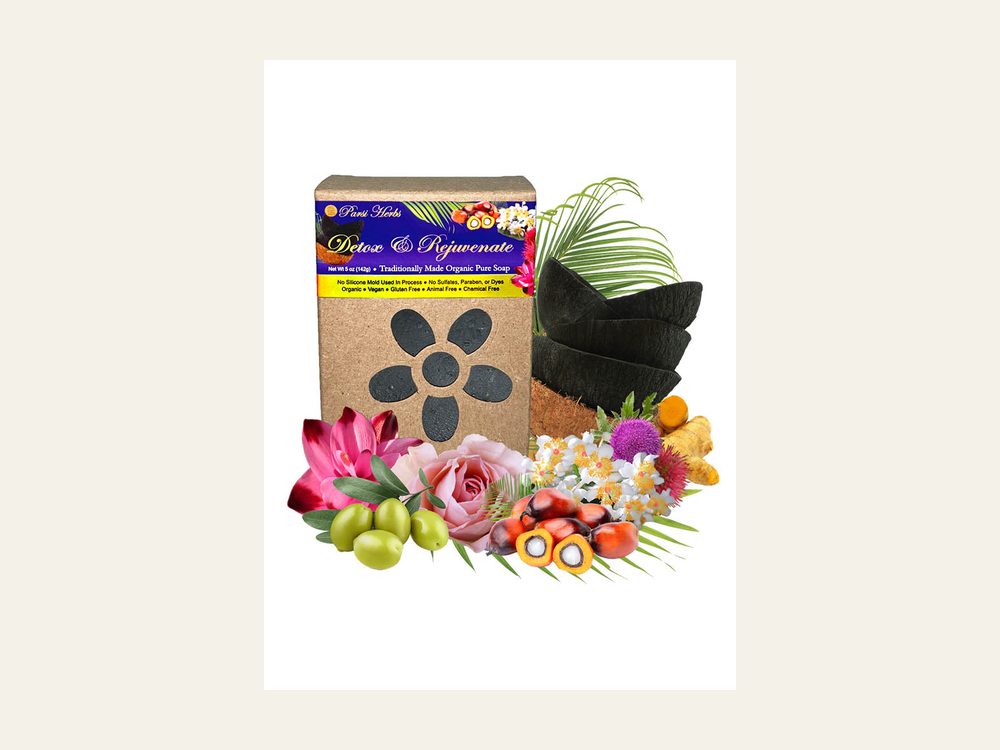
Detox and Rejuvenate Soap
Herbal cleansing bar built around the skin as your first line of defence — a daily detox ritual.
 Beverage Line
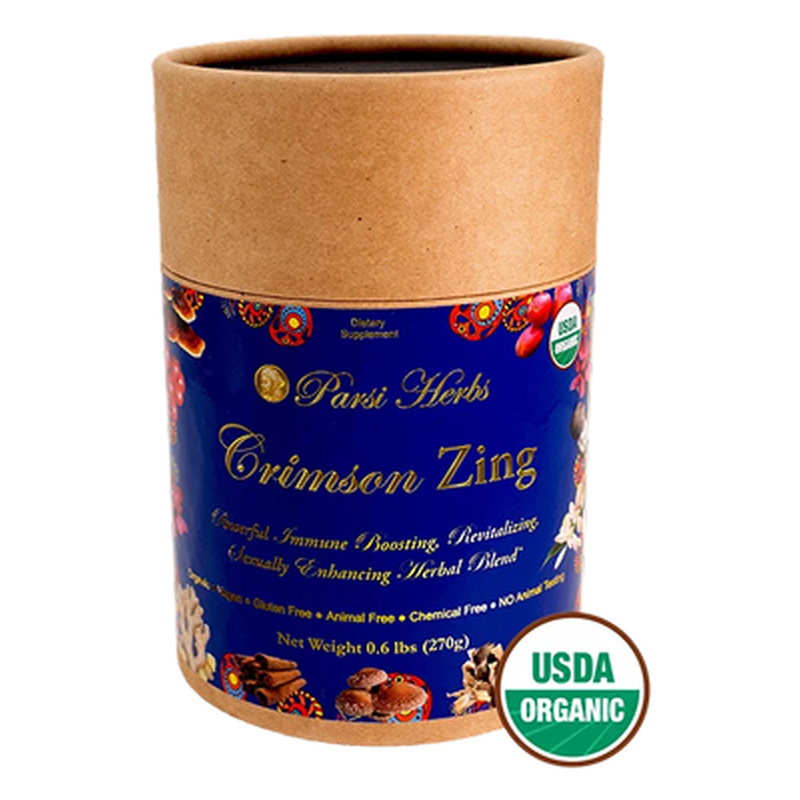
Crimson Zing
A warming crimson infusion traditionally used to enliven circulation and lift daily energy.
Products are sold and fulfilled by independent vendors, and we may earn a commission on purchases made through these links at no extra cost to you. They are wellness supports, not medical treatments, and are not intended to diagnose, treat or cure any condition.