
Blog Article
Why Generic Health Plans Fail: The Case for Constitutional Difference
Why one-size-fits-all diets and routines fall short for so many people, what generic plans overlook about individual physiology, and how constitutional balance explains the pattern.
Why Generic Health Plans Fail: The Case for Constitutional Difference
If you have followed advice that transformed someone else and felt nothing — or felt worse — the problem may not have been your discipline. This article is part of our guide to Breakthrough Your Wellness Blocks, and it examines the most common wellness frustration of all: generic health plan failure.
The Trap of the Universal Fix
In an era saturated with health blogs, fitness personalities, and miracle diets, it is easy to keep searching for the one approach that finally works. From ketogenic to intermittent fasting, low-carb to vegan, every year brings a new "best" method. These strategies may yield short-term results for some, yet they frequently disappoint many others. The reason is structural: they rarely account for fundamental differences in physiology, lifestyle, and environment.
A high-stress professional working long hours may need a different nutritional approach than someone with a sedentary routine, yet both are typically handed the same blanket recommendations. This widespread lack of personalized nutrition is a real barrier, not a personal failing.
Why This Produces a Cycle
The frustration compounds. Someone follows advice presented as universally beneficial, sees minimal improvement or an adverse reaction, concludes the fault is theirs, and starts again with a different method. Repeat that a few times and the result is burnout and justified scepticism.
What is actually happening is simpler. Standard dietary advice tends to optimise for the average, and there is no reason to expect any particular person to be the average. Without a framework for individual variation, even well-intentioned guidance becomes a lottery.
Consider a concrete example. A "cooling" dietary emphasis may suit someone prone to inflammation and excess heat, while the same approach could worsen sluggish digestion and cold intolerance in another person. Neither outcome tells you the diet is good or bad; it tells you the diet was matched to one constitution and not the other.

The Missing Piece: Your Own Constitution
Ancient medical systems, including Avicenna's Canon of Medicine, held that health follows from balance within an individual's constitutional makeup. This concept — Mizaj, or temperament — describes people in terms of Hot-Cold and Wet-Dry qualities, producing four primary temperaments: Sanguine, Choleric, Melancholic, and Phlegmatic.
Understanding your Mizaj is not a historical curiosity. It is a lens for reading your own tendencies: why certain foods energise one person and drain another, why some activities feel invigorating to some and exhausting to others. For the full framework, see Avicenna's Wisdom for Today: Understanding Mizaj and Ancestral Health.
The practical shift is from asking "what is the best diet?" to asking "what does this body need in this season?" That second question is answerable.
Where to Go Next
- Lost in Conflicting Health Advice? How to Find Your True North — cutting through contradictory information.
- Struggling With Consistency? Why Daily Guidance Beats Willpower — the logistics problem behind most abandoned plans.
Take the free Mizaj quiz to see your own constitutional balance.
Hakeem.Health provides personalized wellness plans based on ancestral principles and is not intended to diagnose, treat, or cure any disease. Please consult a qualified healthcare provider before starting any new wellness program, particularly if you have a pre-existing condition.
Remedies Mentioned in This Article
Hand-picked Persian herbal formulas from our apothecary that support the practices described above.
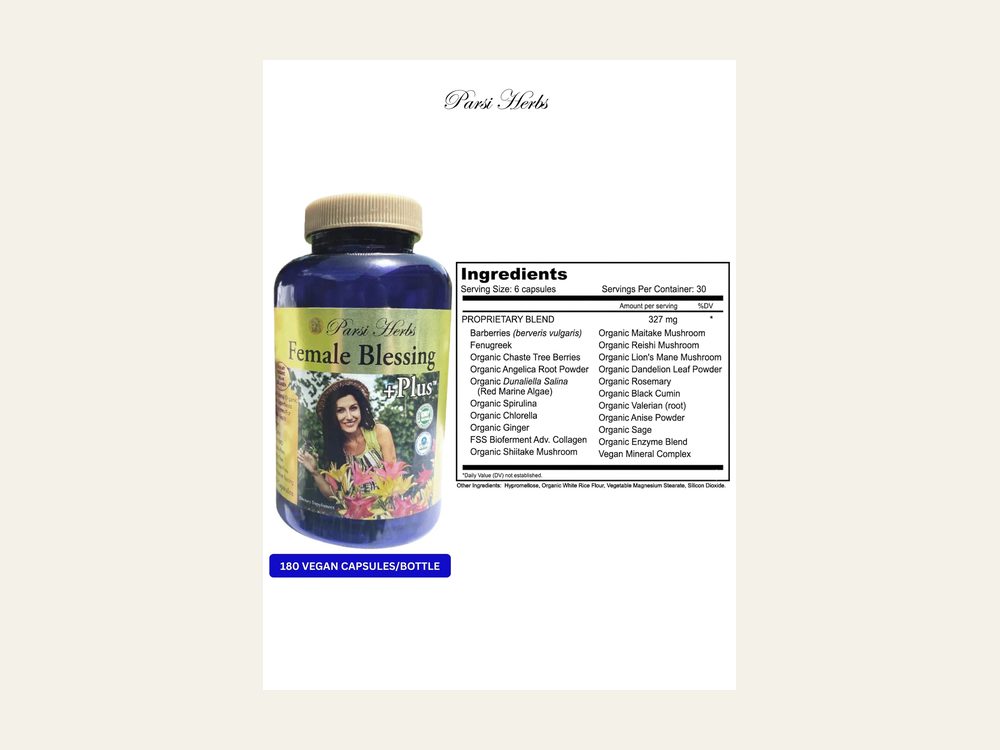 Feminine Support
Female Blessing + Plus
Botanicals, adaptogens and superfoods blended to support balanced female energy and hormonal wellness.
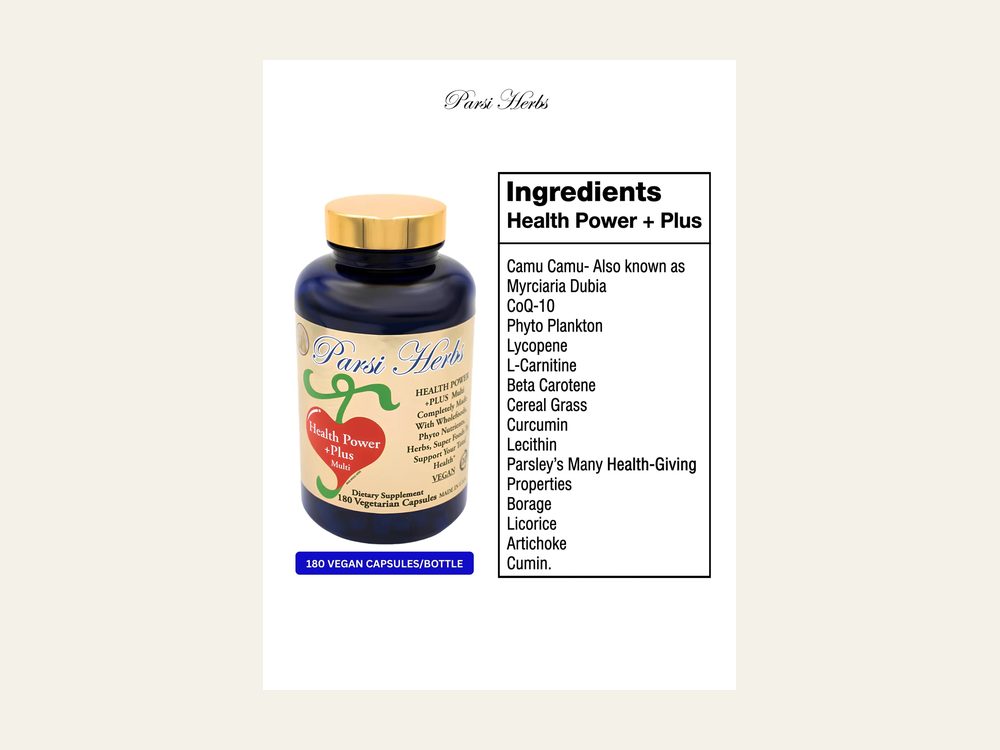 Immune Support
Health Power + Plus
A broad superfood blend of botanicals, antioxidants and nutrients for overall vitality and resilience.
 Supplements
Metabolic Balance +Plus
Eighteen botanicals and nutrients blended to support digestive function and metabolic wellness.
Products are sold and fulfilled by independent vendors, and we may earn a commission on purchases made through these links at no extra cost to you. They are wellness supports, not medical treatments, and are not intended to diagnose, treat or cure any condition.