
Blog Article
Is Persian Medicine Legitimate? Avicenna's Canon and Modern Evidence
An honest look at Avicenna medicine legitimacy: what the Canon of Medicine established, what the Persian plant-based tradition contributes, and where modern evidence supports or limits these claims.
Is Persian Medicine Legitimate? Avicenna's Canon and Modern Evidence
In an era dominated by modern medicine, it is entirely reasonable to ask about Avicenna medicine legitimacy — whether a system rooted in classical Persian practice has any business informing how you eat and live today. This article is part of our Hakeem.Health Q&A guide, and it tries to answer that question without overclaiming.
Avicenna's Canon: A Genuine Landmark
Ibn Sina (c. 980–1037 CE) was among the most influential physicians and philosophers of his era. His Canon of Medicine (Al-Qanun fi al-Tibb) was a medical encyclopedia that remained a standard text for centuries, shaping both Eastern and Western medical education. The Canon systematised existing medical knowledge, insisted on clinical observation, and introduced the framework of temperament (Mizaj) alongside the role of lifestyle, nutrition, and environment in health.
Its historical importance is not in dispute. The Canon's real contribution was methodological: the argument that medicine should be organised, observed, and reasoned about rather than inherited as anecdote. That is a legitimate intellectual inheritance regardless of which specific remedies have since been superseded.
The Persian Plant-Based Tradition
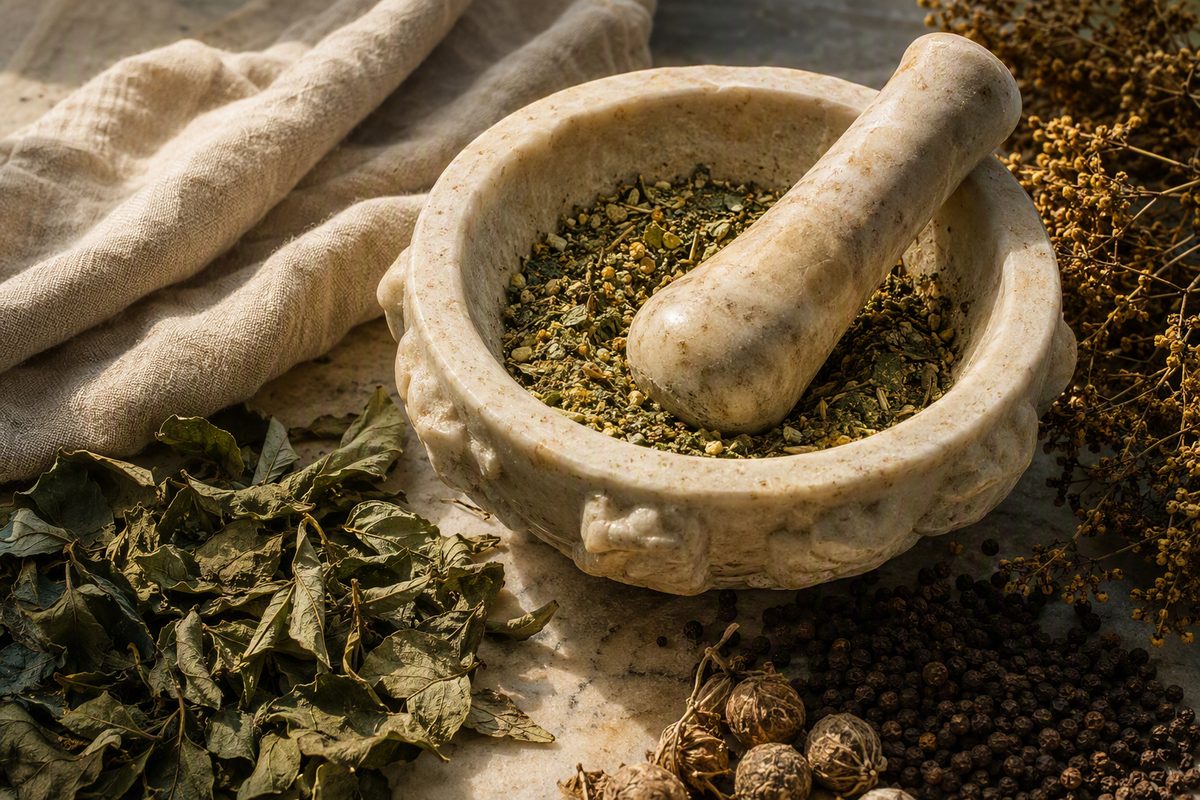
Beyond the Canon, Hakeem.Health draws from thousands of years of Persian plant-based practice: the careful study and application of herbs, spices, and foods, with an emphasis on prevention, balance, and seasonal, local ingredients. Many of the dietary and herbal recommendations in our plans descend directly from these practices.
Modern nutritional science has independently converged on several of the same broad themes — the value of plant-forward eating, the relevance of meal timing, and the physiological effect of daily rhythm. That convergence is a genuine point in the tradition's favour. It is not, however, the same as validating every individual herbal claim, and we do not present it that way.
Being Honest About the Limits
Intellectual honesty requires stating plainly what this framework is and is not:
- It operates on a different paradigm. Mizaj describes constitutional tendency; it is not a biomedical diagnostic category and does not map cleanly onto one.
- Traditional use is not proof of efficacy. Long-standing practice is meaningful evidence of tolerability and cultural value, but it is not equivalent to a controlled trial.
- It is complementary, not substitutive. Nothing here replaces diagnosis or treatment by a qualified clinician, and no wellness plan should delay appropriate medical care.
Where AI Fits — And Where It Doesn't
Our AI interprets and applies this material rather than adjudicating it. It analyses your Mizaj and the current season, then cross-references traditional guidance to produce recommendations relevant to your circumstances. What it does not do is manufacture new medical authority. The technology improves the delivery and personalization of a traditional framework; it does not upgrade that framework's evidentiary status.
Held to that standard, the honest claim is a modest one: this is a coherent, time-tested system for organising daily habits around your own constitution and the season you are in. That is genuinely useful, and it is worth more than an inflated promise would be. It is also how it helps people breakthrough their wellness blocks that generic plans tend to miss.
Where to Go Next
- Avicenna's Wisdom for Today: Understanding Mizaj and Ancestral Health — the full framework and its history.
- Who Was Avicenna? — the physician behind the Canon.
Take the free Mizaj quiz to see the framework applied to you.
Hakeem.Health provides personalized wellness plans based on ancestral principles and is not intended to diagnose, treat, or cure any disease. Please consult a qualified healthcare provider before starting any new wellness program, particularly if you have a pre-existing condition.
Remedies Mentioned in This Article
Hand-picked Persian herbal formulas from our apothecary that support the practices described above.
 Literature
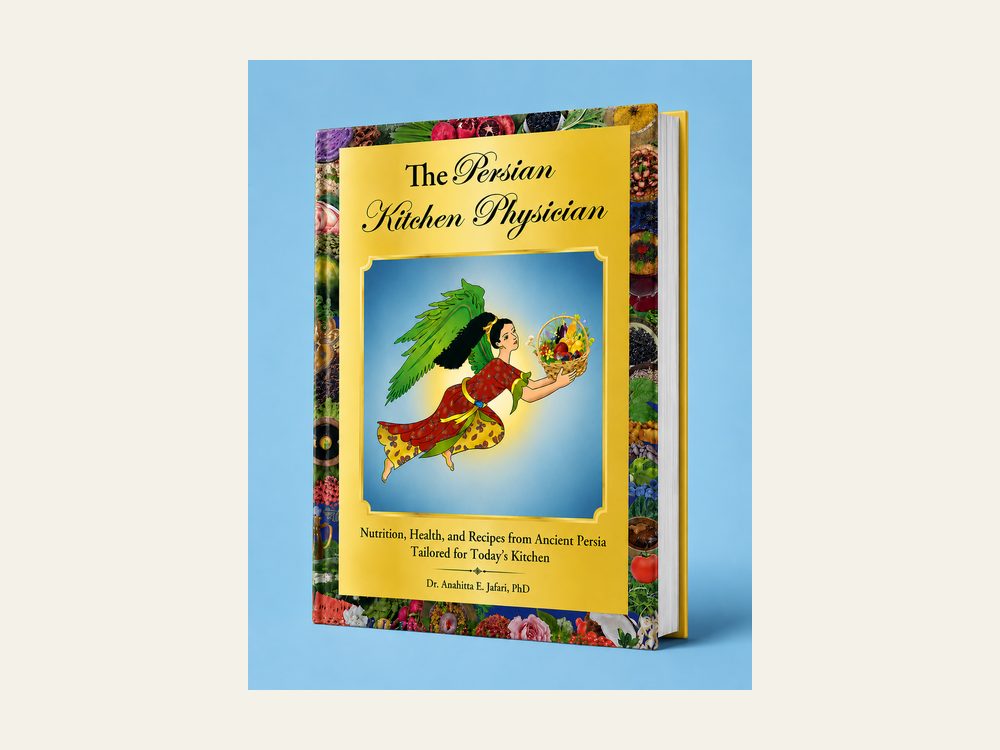
The Persian Kitchen Physician (Hardcover)
Nutrition, health and recipes from ancient Persia, tailored for a modern kitchen. Hardcover edition.
 Beverage Line
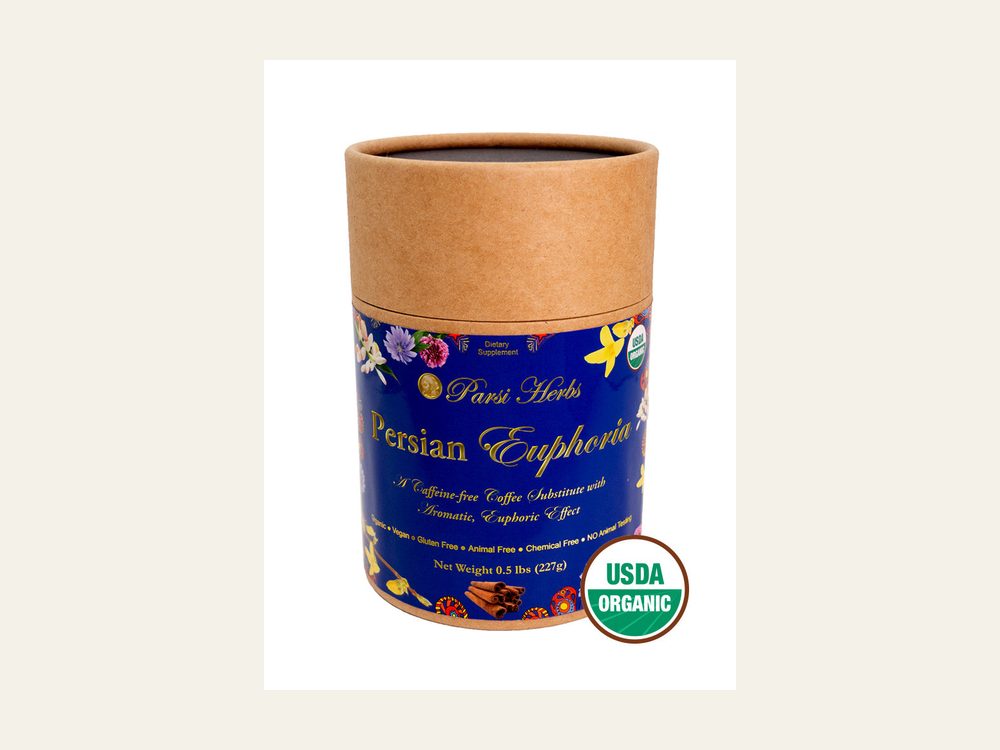
Persian Euphoria
An organic, vegan, gluten-free coffee substitute with vitamins, minerals and antioxidants.
 Literature
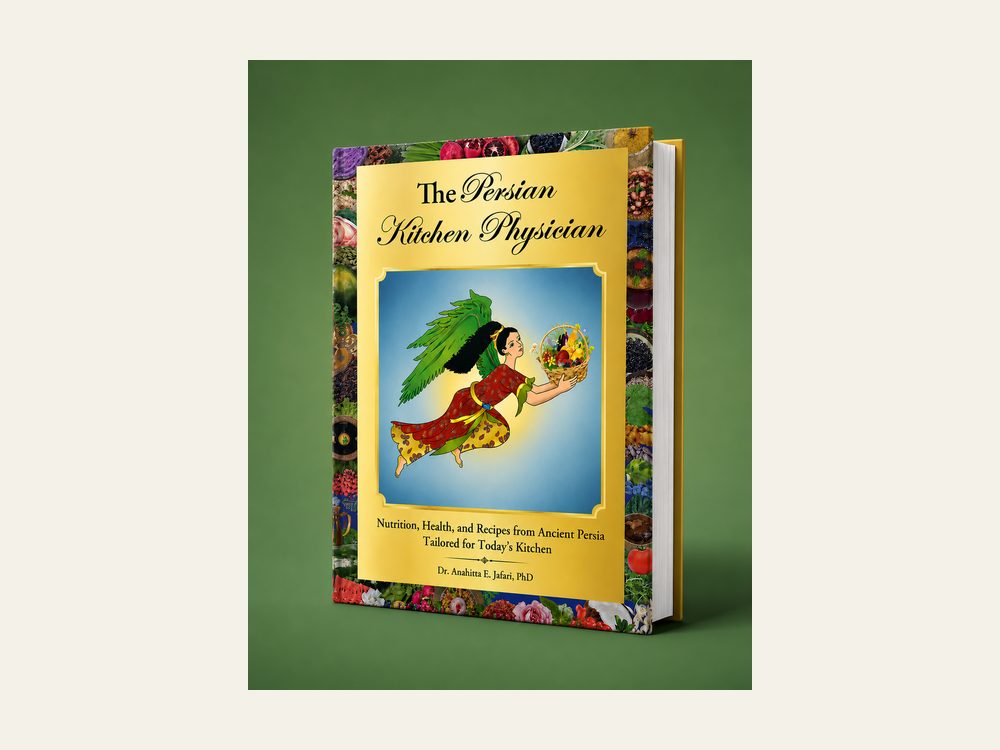
The Persian Kitchen Physician (eBook)
Plant-powered Persian cuisine for seasonal wellness — recipes and principles, delivered instantly.
Products are sold and fulfilled by independent vendors, and we may earn a commission on purchases made through these links at no extra cost to you. They are wellness supports, not medical treatments, and are not intended to diagnose, treat or cure any condition.