
Blog Article
Who Was Avicenna? The Persian Polymath Behind The Canon of Medicine
Meet Ibn Sina, known in the West as Avicenna: the 11th-century Persian polymath whose Canon of Medicine remained a standard medical text for centuries, and why his holistic method still reads as modern.
Who Was Avicenna? The Persian Polymath Behind The Canon of Medicine
Before you can understand Mizaj — the constitutional balance at the heart of Persian medicine — it helps to know the physician who systematised it. This article is part of our guide to Avicenna's Wisdom for Today: Understanding Mizaj and Ancestral Health, and it focuses on one question: who was Avicenna, and why does a man born over a thousand years ago still shape how we talk about personalized health?
The Life of Ibn Sina
Abū Alī al-Ḥusayn ibn Abd Allāh ibn Al-Hasan ibn Alī ibn Sīnā, known in the West as Avicenna, was a Persian polymath who lived from 980 to 1037 CE. His influence on medicine, philosophy, astronomy, and logic is unparalleled, earning him the title "Father of Early Modern Medicine." Born in what is now Uzbekistan, Avicenna displayed prodigious intellect from a young age, mastering numerous fields by his late teens. He served as a court physician and philosopher, traveling extensively and writing prolifically throughout his life.
His range is part of what makes him unusual. Avicenna was not only a clinician: he was a logician and metaphysician whose philosophical work was studied independently of his medicine. That habit of systematic thinking is exactly what he brought to the sickbed — the insistence that observations should be organised, compared, and reasoned about rather than simply collected.
The Canon of Medicine
Avicenna's most famous medical work, Al-Qanun fi al-Tibb (The Canon of Medicine), was a monumental 14-volume medical encyclopedia that synthesized centuries of Greek, Roman, and Persian medical knowledge, adding his own keen observations and systematic approaches. For over 600 years, the Canon remained the standard medical textbook in universities across Europe and the Islamic world, influencing medical practice and education well into the 17th century.
It laid the groundwork for concepts that modern readers will recognise: the value of careful clinical observation, the idea that a remedy's effects should be tested rather than assumed, and the systematic description of conditions so that one physician's findings could be compared with another's. Whatever else the Canon was, it was an argument that medicine should be organised knowledge rather than inherited anecdote.
Avicenna's Holistic Approach to Health
Unlike many contemporary medical systems that focus solely on symptoms, Avicenna advocated for a deeply holistic perspective. He believed that health was a dynamic balance between the individual's constitution, environment, lifestyle, and mental state. His approach was not merely about curing disease but about maintaining health through preventative measures, personalized nutrition, and a profound understanding of the body's intrinsic healing capabilities.
Three commitments run through this method:
- The individual comes first. Two people with the same complaint might need different guidance, because their underlying constitution differs.
- The environment is part of the patient. Climate, season, water, air, and daily habits were treated as active influences on health, not background noise.
- Prevention outranks correction. Keeping a person in balance was considered the physician's primary work.
This focus on the interconnectedness of mind, body, and environment is the thread that carries into modern practice, and it is why his framework still translates into real-world applications of Hakeem.Health.

The Canon's Enduring Legacy
The enduring legacy of Avicenna's Canon of Medicine lies not just in its comprehensive compilation of medical knowledge but in its philosophical framework. It treated the human body as an intricate system, where every organ, function, and emotion was interwoven. This systemic view — particularly the emphasis on individual variability and the impact of the environment — is precisely what makes his teachings valuable for anyone tired of generalized health advice.
That inheritance is the reason a thousand-year-old text keeps resurfacing in conversations about personalization. Avicenna was not describing a single diet or a single remedy. He was describing a method for reasoning about a particular person in a particular season, which is a far more portable idea than any specific prescription.
Where to Go Next
Avicenna's biography is the doorway; the framework itself is where the practical value lives. Two companion articles continue the thread:
- What Is Mizaj? The Hot, Cold, Wet, and Dry Qualities Explained — how Persian medicine describes constitutional balance.
- The Four Temperaments: Sanguine, Choleric, Melancholic, and Phlegmatic — the four core constitutions and their traditional balancing principles.
Curious where you sit in this framework? Take the free Mizaj quiz to see your own constitutional balance.
Hakeem.Health provides personalized wellness plans based on ancestral principles and is not intended to diagnose, treat, or cure any disease. Please consult a qualified healthcare provider before starting any new wellness program, particularly if you have a pre-existing condition.
Remedies Mentioned in This Article
Hand-picked Persian herbal formulas from our apothecary that support the practices described above.
 Literature
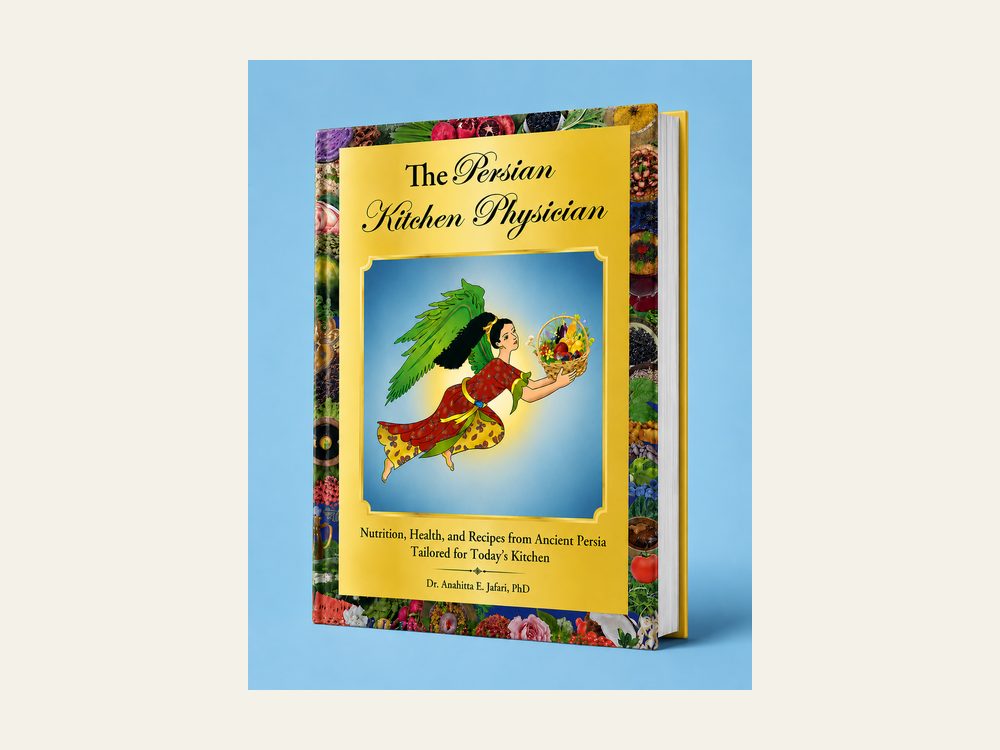
The Persian Kitchen Physician (Hardcover)
Nutrition, health and recipes from ancient Persia, tailored for a modern kitchen. Hardcover edition.
 Beverage Line
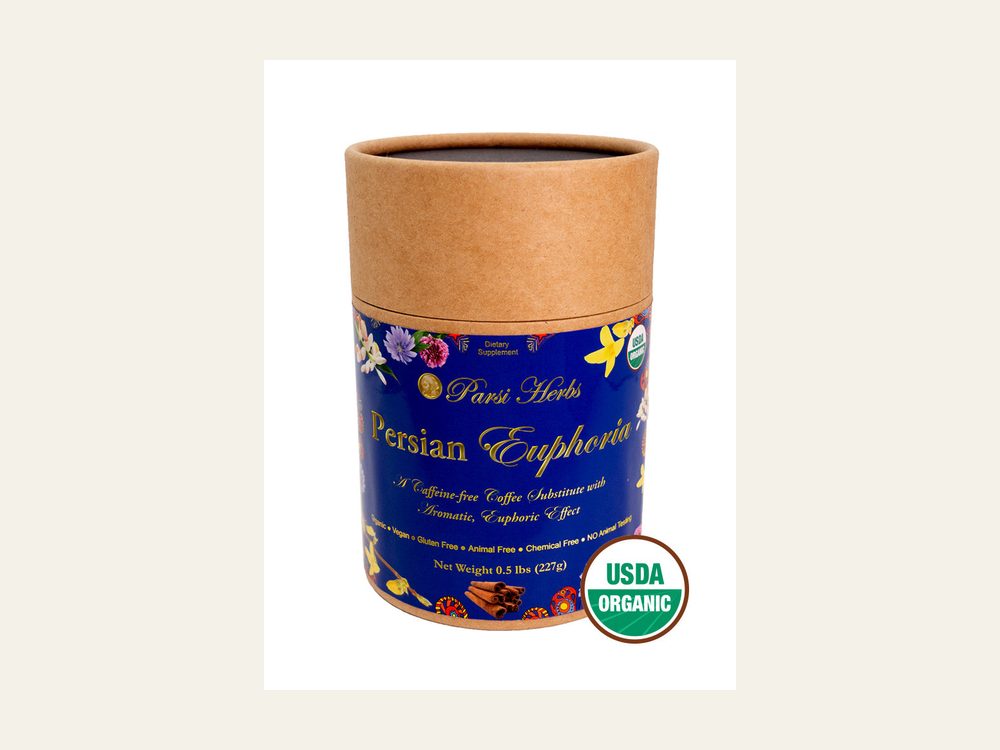
Persian Euphoria
An organic, vegan, gluten-free coffee substitute with vitamins, minerals and antioxidants.
 Literature
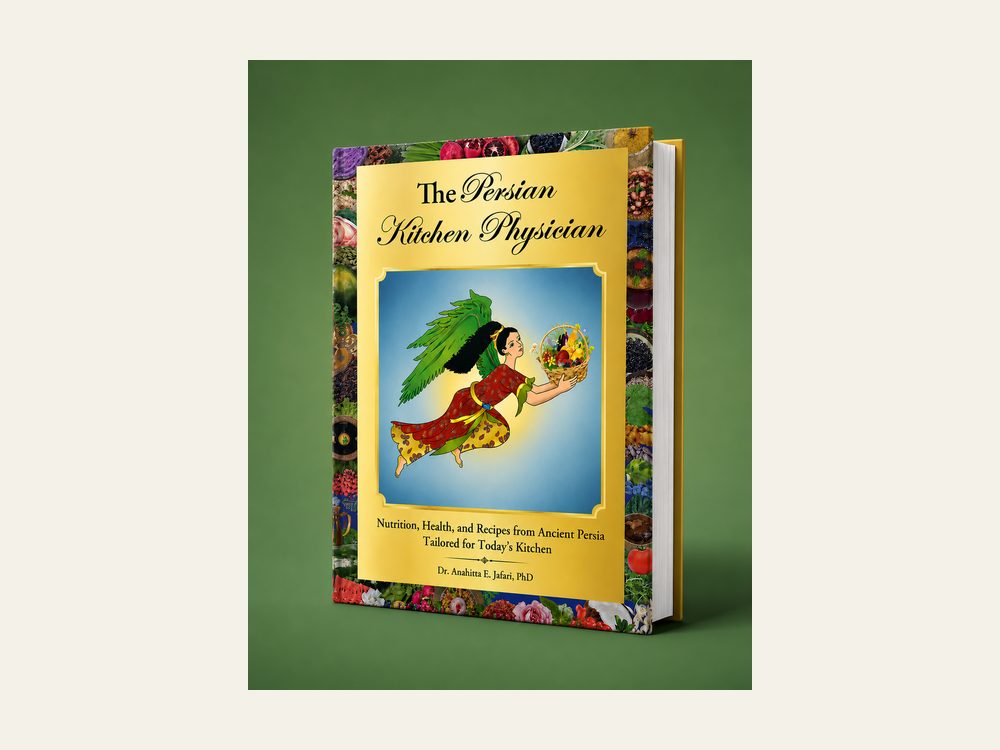
The Persian Kitchen Physician (eBook)
Plant-powered Persian cuisine for seasonal wellness — recipes and principles, delivered instantly.
Products are sold and fulfilled by independent vendors, and we may earn a commission on purchases made through these links at no extra cost to you. They are wellness supports, not medical treatments, and are not intended to diagnose, treat or cure any condition.