
Blog Article
The Four Temperaments: Sanguine, Choleric, Melancholic, and Phlegmatic
A practical guide to the four temperaments in Persian medicine — Sanguine, Choleric, Melancholic, and Phlegmatic — including their tendencies and the traditional principles used to keep each in balance.
The Four Temperaments: Sanguine, Choleric, Melancholic, and Phlegmatic
Building on the qualities of Hot, Cold, Wet, and Dry, Avicenna's Canon describes four primary Mizaj temperaments, or core constitutions. This article is part of our guide to Avicenna's Wisdom for Today: Understanding Mizaj and Ancestral Health. If the four qualities are the alphabet, the four temperaments are the words — the level at which the framework becomes usable.
A note before the descriptions: these are predominant tendencies, not rigid boxes. Traditional practice expected combinations and shifts, and read a person's current state alongside their inherent one. Use what follows as a lens for self-awareness rather than a verdict.
1. Sanguine (Damavi): Hot & Wet
- Characteristics: Typically robust, with a good complexion, often cheerful, optimistic, and social. Strong digestion and generally good circulation.
- Physical Tendencies: Prone to good blood flow, can sometimes overheat, may gain weight easily if diet is not balanced.
- Emotional Tendencies: Enthusiastic, generous, outgoing, but can also be impulsive or easily distracted.
- Traditional Balance Principles: Avoid excessive heat and rich, heavy foods. Benefit from cooling, light, and slightly drying foods. Regular, moderate exercise is key.
2. Choleric (Safravi): Hot & Dry
- Characteristics: Often lean, energetic, ambitious, and quick-witted, with strong will and a sharp mind.
- Physical Tendencies: Efficient digestion but prone to acidity, inflammation, and skin issues. Can experience quick bursts of energy followed by fatigue.
- Emotional Tendencies: Passionate, decisive, natural leaders, but can also be irritable, impatient, or prone to anger when out of balance.
- Traditional Balance Principles: Focus on cooling, moistening foods. Avoid overly spicy, hot, or dry foods. Incorporate calming practices and stress reduction.
3. Melancholic (Sodavi): Cold & Dry
- Characteristics: Often thoughtful, introverted, analytical, and detail-oriented; cautious and reflective.
- Physical Tendencies: Prone to dryness, constipation, poor circulation, and a colder body temperature. Can be sensitive to cold weather.
- Emotional Tendencies: Deep thinkers, loyal, artistic, but can also be prone to anxiety, worry, or pessimism when imbalanced.
- Traditional Balance Principles: Emphasize warm, moist, and nourishing foods. Avoid cold, raw, and dry foods. Regular gentle exercise and mental stimulation are beneficial.

4. Phlegmatic (Balghami): Cold & Wet
- Characteristics: Typically calm, patient, gentle, and forgiving, with softer features and a steady demeanor.
- Physical Tendencies: Prone to sluggish metabolism, fluid retention, and weight gain. Can feel heavy or lethargic.
- Emotional Tendencies: Empathetic, stable, supportive, but can also be resistant to change, procrastinate, or become complacent.
- Traditional Balance Principles: Focus on warming, stimulating, and slightly drying foods. Avoid cold, heavy, and excessively moist foods. Regular, invigorating exercise and mental engagement are important.
How to Actually Use the Four Temperaments
Understanding these four temperaments in health is not about labeling; it is about gaining self-awareness. The framework earns its value when it changes a decision — which foods you reach for in August versus January, whether your evening routine needs stimulation or settling, why a regimen that suits a colleague leaves you depleted.
Notice also what the balancing principles have in common. In every case the traditional move is to counterweight an excess rather than amplify a strength: heat is met with cooling, dryness with moistening, sluggishness with stimulation. That logic of counterbalance is the practical core of Persian medicine, and it is what makes the system coherent rather than a list of arbitrary food rules.
Where to Go Next
- What Is Mizaj? The Hot, Cold, Wet, and Dry Qualities Explained — the four qualities these temperaments are built from.
- Who Was Avicenna? The Persian Polymath Behind The Canon of Medicine — the physician who systematised the framework.
- Unlock Your Inner Balance: Hakeem.Health's Personalized Wellness Journey — how this framework becomes a daily plan.
Reading four descriptions and guessing is the slow route. Take the free Mizaj quiz to see your own constitutional balance.
Hakeem.Health provides personalized wellness plans based on ancestral principles and is not intended to diagnose, treat, or cure any disease. Please consult a qualified healthcare provider before starting any new wellness program, particularly if you have a pre-existing condition.
Remedies Mentioned in This Article
Hand-picked Persian herbal formulas from our apothecary that support the practices described above.
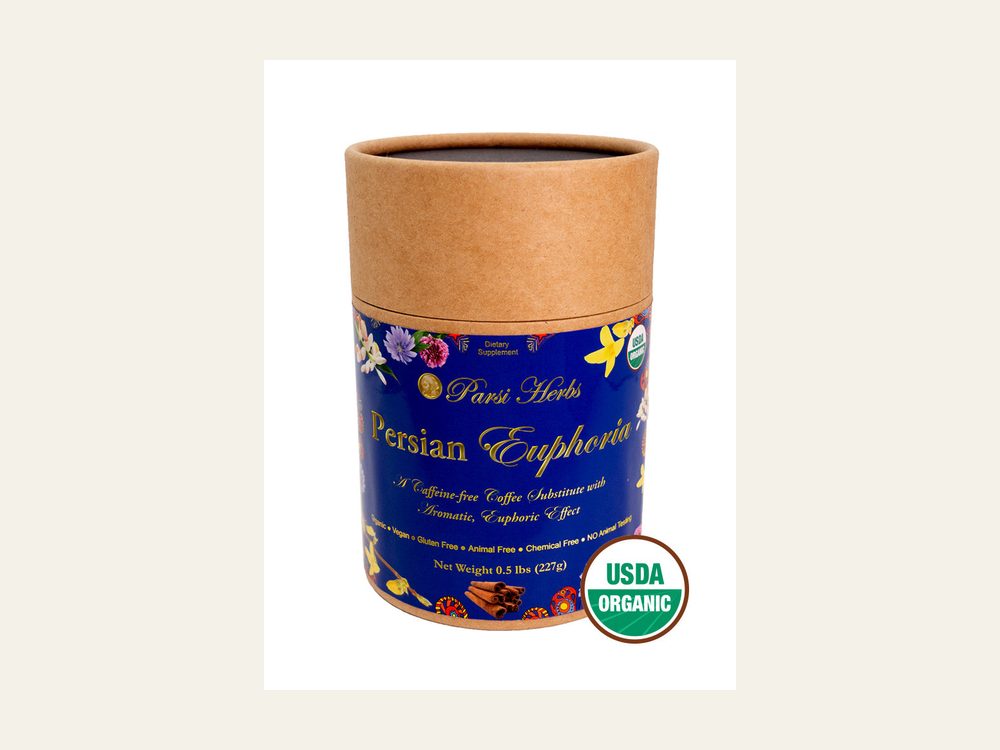 Beverage Line
Persian Euphoria
An organic, vegan, gluten-free coffee substitute with vitamins, minerals and antioxidants.
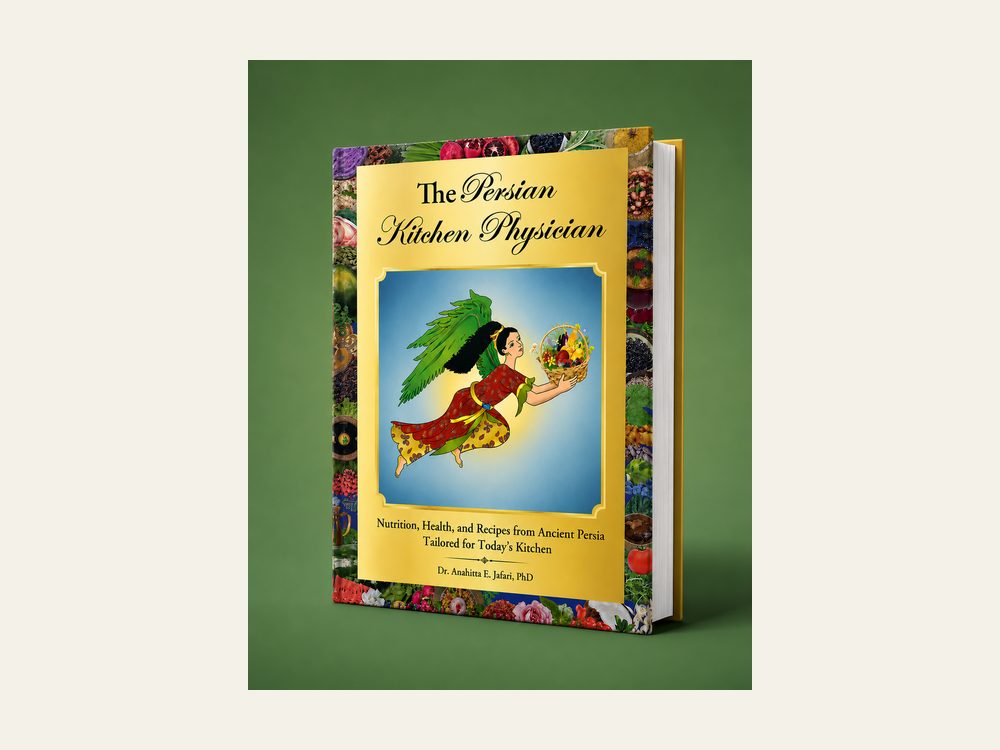 Literature
The Persian Kitchen Physician (eBook)
Plant-powered Persian cuisine for seasonal wellness — recipes and principles, delivered instantly.
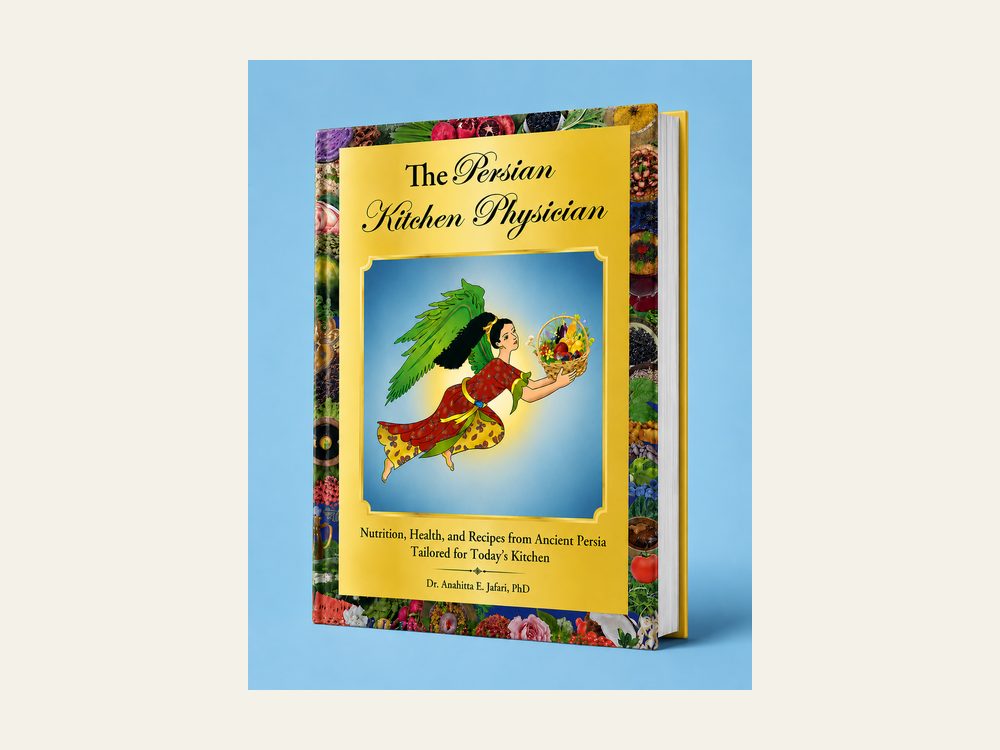 Literature
The Persian Kitchen Physician (Hardcover)
Nutrition, health and recipes from ancient Persia, tailored for a modern kitchen. Hardcover edition.
Products are sold and fulfilled by independent vendors, and we may earn a commission on purchases made through these links at no extra cost to you. They are wellness supports, not medical treatments, and are not intended to diagnose, treat or cure any condition.